Window Film Vs Blinds and Shutters: Which Is Better For Your Heat Reduction Needs?

Window Film Vs Blinds and Shutters: Which Is Better For Your Heat Reduction Needs?

Window Film Vs Blinds and Shutters: Which Is Better For Your Heat Reduction Needs?

[HERO] Window Film Vs Blinds and Shutters: Which Is Better For Your Heat Reduction Needs?

If you’ve ever sat next to a window on a hot summer afternoon, you know exactly how brutal solar heat can be. Your AC works overtime, your energy bills climb, and that sunny corner of your living room becomes a no-go zone until sunset.

The good news? You have options. Window film, blinds, and shutters can all help reduce heat coming through your windows. But which one actually delivers the best results for your specific situation?

Let’s break it down so you can make a smart decision for your home and your wallet.

Understanding How Heat Enters Your Home

Before we compare solutions, it helps to understand the problem. Solar heat enters your home primarily through your windows in two ways:

  1. Direct solar heat gain – sunlight passes through the glass and heats up everything inside
  2. Radiant heat transfer – the glass itself absorbs heat and radiates it into your space

Different window treatments tackle these issues in different ways. Some block heat before it enters, some reflect it back out, and others provide insulation to slow down the transfer. The best choice depends on your climate, your windows, and what you’re trying to achieve.

Window Film: The Low-Profile Heat Blocker

Window film is a thin, adhesive layer applied directly to your glass. It’s popular because it’s relatively affordable and doesn’t change the look of your windows from the inside.

Modern living room with floor-to-ceiling windows featuring window film for natural light and heat reduction

How Window Film Reduces Heat

Standard window films can reduce solar heat gain by around 50%, while higher-end insulating films push that number up to 70%. They work by reflecting and absorbing UV rays and infrared heat before it passes through the glass.

The Pros

  • Maintains your view – you keep full visibility through your windows
  • UV protection – blocks harmful rays that fade furniture and flooring
  • Works 24/7 – no adjustment needed once installed
  • Budget-friendly – generally less expensive upfront than blinds or shutters

The Cons

  • No seasonal adjustment – once it’s on, it’s on. You can’t open it up to let warming sunlight in during winter
  • Reduced light transmission – some films darken your windows, which means less natural light year-round
  • Not ideal for all glass types – certain films can cause thermal stress on double-pane or tinted windows

Window film is a solid middle-ground solution if you want consistent heat reduction without changing your window’s appearance. But if you live somewhere with cold winters, you might miss that passive solar heating when you need it most.

Interior Blinds and Solar Shades: Flexibility Meets Function

Blinds and solar shades sit inside your window frame and give you direct control over light and heat. Unlike film, you can adjust them throughout the day and across seasons.

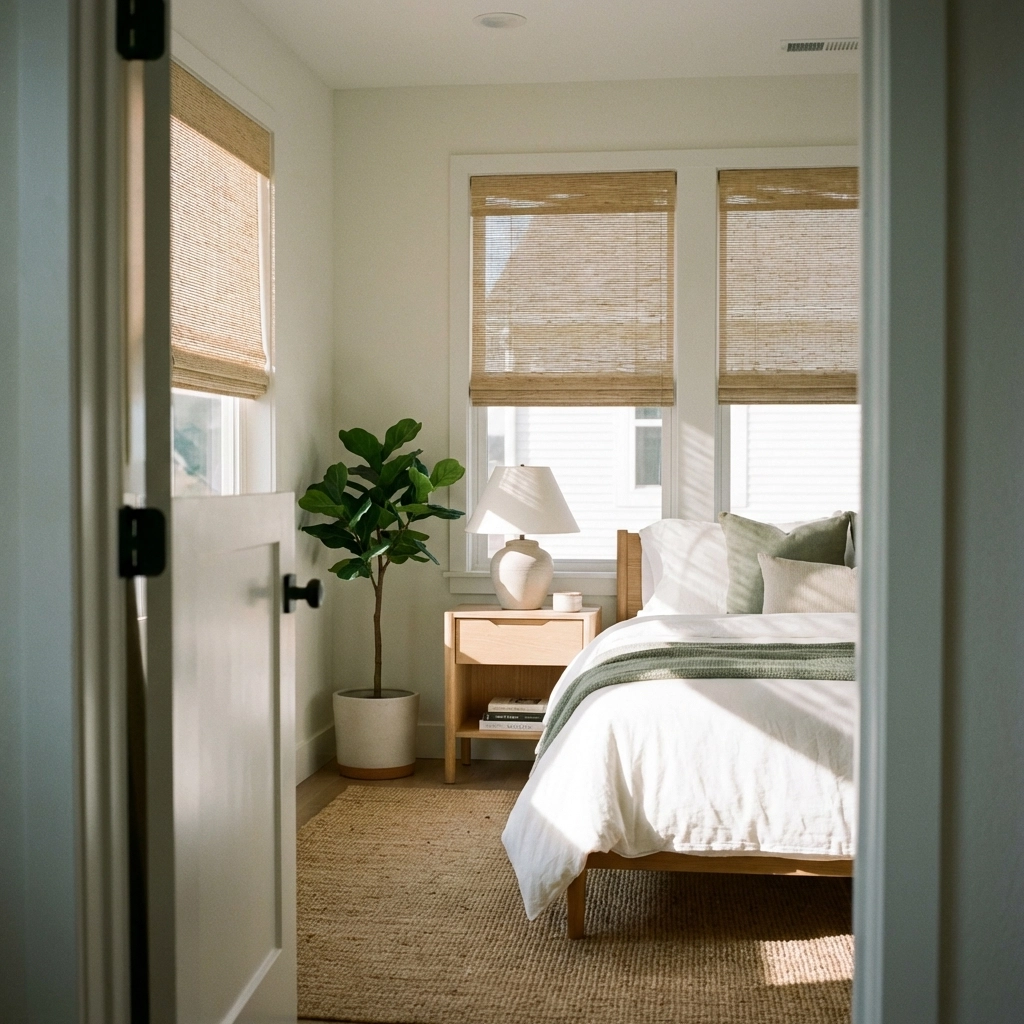
Sunlit bedroom with woven solar shades partially lowered for light control and thermal efficiency

How Blinds and Shades Reduce Heat

Quality solar shades can cut solar heat gain by up to 60%, with some high-performance options reaching as high as 77%. They also block up to 99% of UV rays, protecting your interiors from fading.

The key advantage here is adjustability. On a cold January morning, you can raise the blinds and let the sun naturally warm your space. On a scorching July afternoon, you close them and keep the heat out.

The Pros

  • Adjustable – control light and heat on demand
  • UV protection – prevents fading on furniture, floors, and artwork
  • Style variety – available in countless colors, materials, and designs to match your decor
  • Privacy control – block views from outside when needed

The Cons

  • Interior placement limits effectiveness – heat has already passed through the glass before hitting the blinds
  • Requires manual adjustment – unless you upgrade to motorized options
  • Durability varies – cheaper blinds may not hold up well in direct sunlight over time

If you want flexibility and style options, interior blinds and solar shades are hard to beat. They’re especially useful in homes where different rooms have different light and heat needs throughout the day.

Plantation Shutters: Year-Round Thermal Performance

Plantation shutters are the heavyweight option in this comparison. They’re built for durability, aesthetics, and serious thermal control.

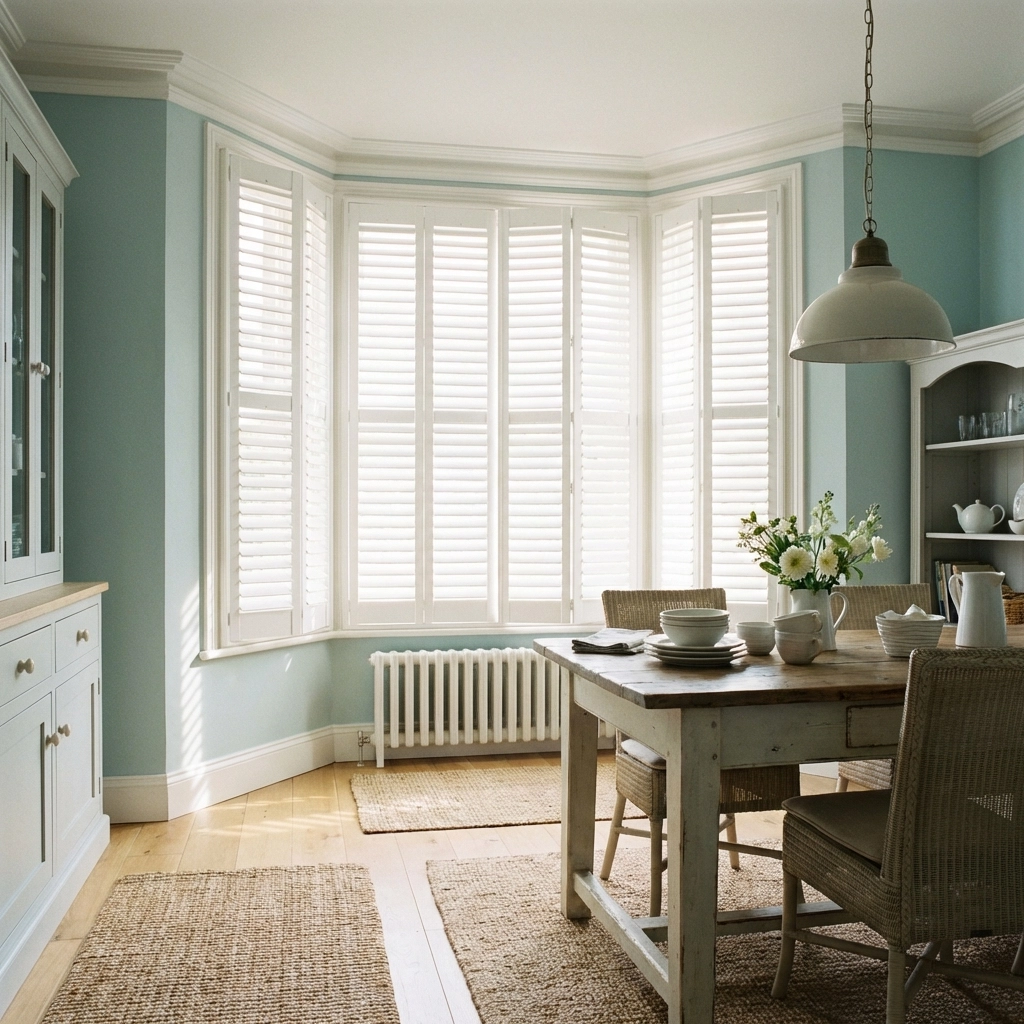
Coastal dining room with white plantation shutters open, providing heat reduction and a stylish look

How Shutters Reduce Heat

Here’s where shutters stand apart: they excel at reducing heat loss, not just heat gain. With R-values reaching up to 4.0, plantation shutters can reduce heat loss by as much as 50%. That translates to 25–30% annual energy savings for many homeowners.

In summer, closed shutters block direct sunlight and create an insulating air pocket between the shutter and the glass. In winter, they help keep warm air inside.

The Pros

  • Year-round efficiency – works for both heating and cooling seasons
  • Exceptional durability – quality shutters last for decades
  • Adjustable louvers – control light and airflow with precision
  • Adds home value – shutters are considered a permanent home upgrade
  • Coastal-friendly – PVC and composite options resist salt air and humidity

The Cons

  • Higher upfront cost – shutters are an investment compared to blinds or film
  • Installation complexity – professional installation recommended for best results
  • Fixed mounting – can’t be easily removed or relocated

For homeowners looking at long-term value and year-round performance, shutters are tough to beat. They’re especially smart for coastal environments where humidity and salt air can damage lesser materials.

External Blinds: The Ultimate Heat Blocker

We’d be remiss not to mention external blinds. While they’re less common in residential settings, they’re the most effective option for stopping heat before it ever reaches your glass.

External blinds can reduce solar heat transmittance by up to 90%: nearly double what window film achieves. If overheating is your primary concern and you’re open to exterior modifications, this is worth exploring.

Which Option Is Right for You?

Let’s make this simple with a quick comparison:

FactorWindow FilmBlinds/ShadesShutters
Summer heat reductionGood (50-70%)Good (60-77%)Good
Winter heat retentionPoorModerateExcellent (up to 50%)
AdjustabilityNoneHighHigh
UV protectionExcellentExcellentGood
DurabilityModerateVariesExcellent
Coastal suitabilityModerateModerateExcellent
Upfront costLowMediumHigher

Choose Window Film If:

  • You want a budget-friendly, set-it-and-forget-it solution
  • Maintaining your view is a top priority
  • You live in a hot climate with mild winters

Choose Blinds or Solar Shades If:

  • You want flexibility to adjust light and heat throughout the day
  • Style and design options matter to you
  • Different rooms have different needs

Choose Plantation Shutters If:

  • You want year-round thermal performance
  • Long-term durability and home value matter
  • You live in a coastal area or harsh climate

Combining Solutions for Maximum Efficiency

Here’s something worth considering: you don’t have to choose just one. Many homeowners get the best results by layering solutions. For example, pairing window film with interior blinds gives you baseline UV protection plus adjustable light control.

At Solaris Shading Systems, we help homeowners figure out the right combination for their specific needs. Every home is different, and sometimes the best answer involves more than one approach.

Ready to Beat the Heat?

Whether you’re dealing with a sweltering sunroom or trying to reduce your energy bills year-round, the right window treatment makes a real difference. Window film, blinds, and shutters each have their strengths: it’s all about matching the solution to your situation.

Want help figuring out what works best for your home? Get in touch with our team for a personalized consultation. We’ll walk through your options and help you find the perfect fit for your heat reduction needs.

Are Motorized Shades Worth It? 7 Smart Benefits You Need to Know in 2026

Are Motorized Shades Worth It? 7 Smart Benefits You Need to Know in 2026

heroImage

If you’ve been on the fence about upgrading to motorized shades, you’re not alone. It’s one of the most common questions we get at Solaris Shading Systems: “Are motorized shades really worth the investment?”

The short answer? For most homeowners, absolutely yes.

But we get it, you want the details before making a decision. So let’s break down the seven smart benefits that make motorized shades a game-changer for homes in 2026.

1. Unmatched Convenience and Time Savings

Let’s start with the obvious one: convenience. Think about how many windows you have in your home. Now imagine adjusting each one manually, every morning, every evening, every time the sun shifts position.

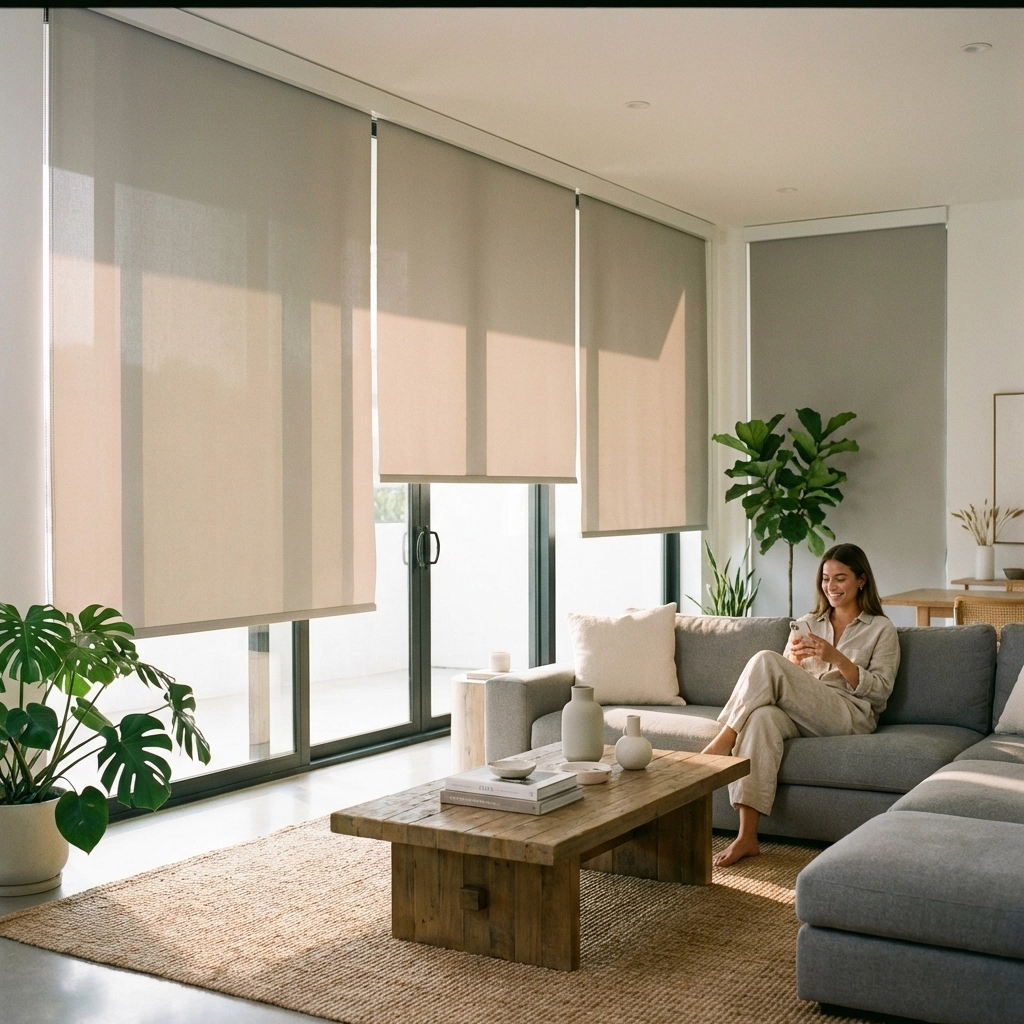
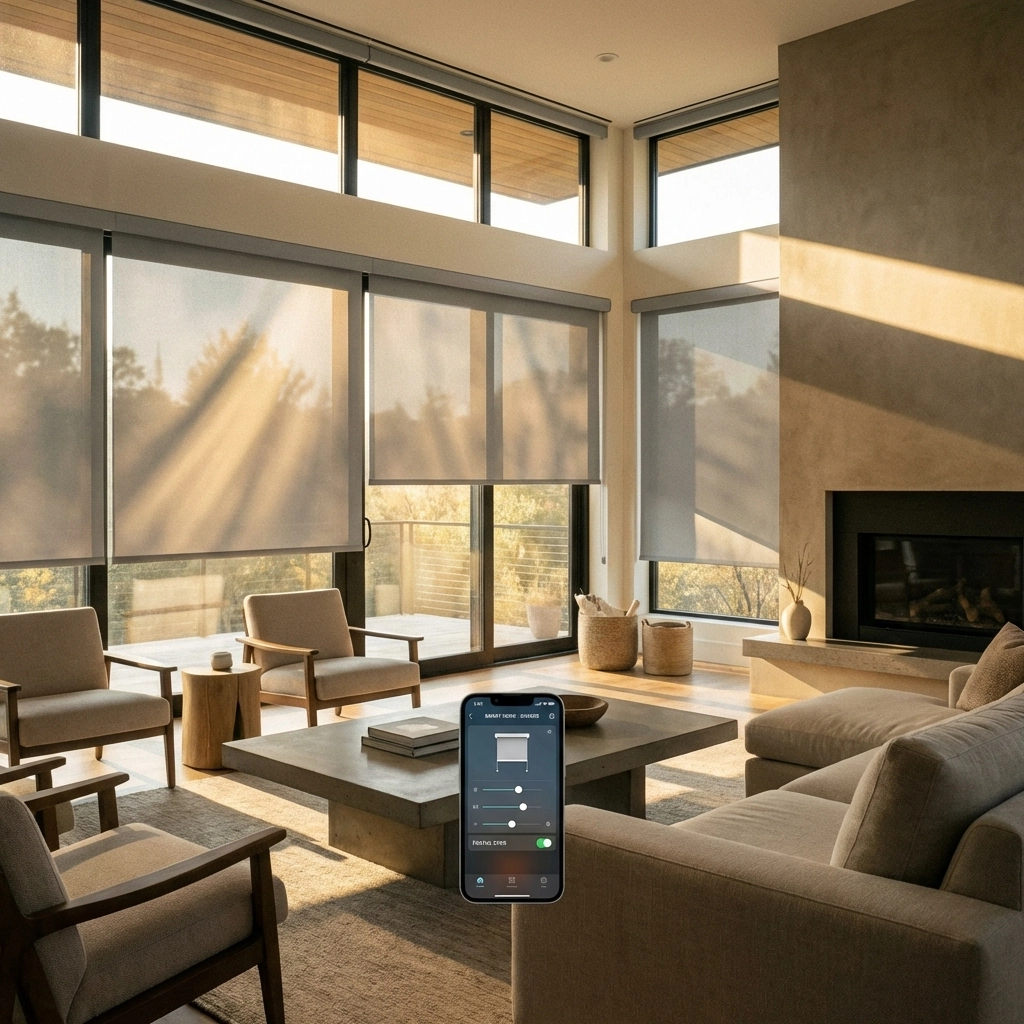
With motorized shades, you control everything with the push of a button, a tap on your phone, or even a simple voice command. All your shades can move in perfect sync, or you can adjust individual rooms as needed.

Here’s something interesting we’ve noticed with our clients: once they go motorized, they actually use their shades way more often. When it’s effortless, you’re more likely to optimize your light throughout the day. That means you’re finally getting the full value out of your window treatments instead of leaving them in one position all day long.

image_1

2. Perfect Solution for Accessibility Needs

This benefit doesn’t get talked about enough, but it’s a big deal for many households.

If you or someone in your home deals with mobility challenges, whether it’s arthritis, limited reach, or other physical restrictions, traditional shade cords can be a real struggle. Pulling, twisting, and adjusting manual blinds isn’t just inconvenient; it can be genuinely difficult or even painful.

Motorized shades eliminate that barrier entirely. A simple remote control, smartphone app, or voice command does all the work. We’ve had countless clients tell us this single feature transformed their daily comfort at home.

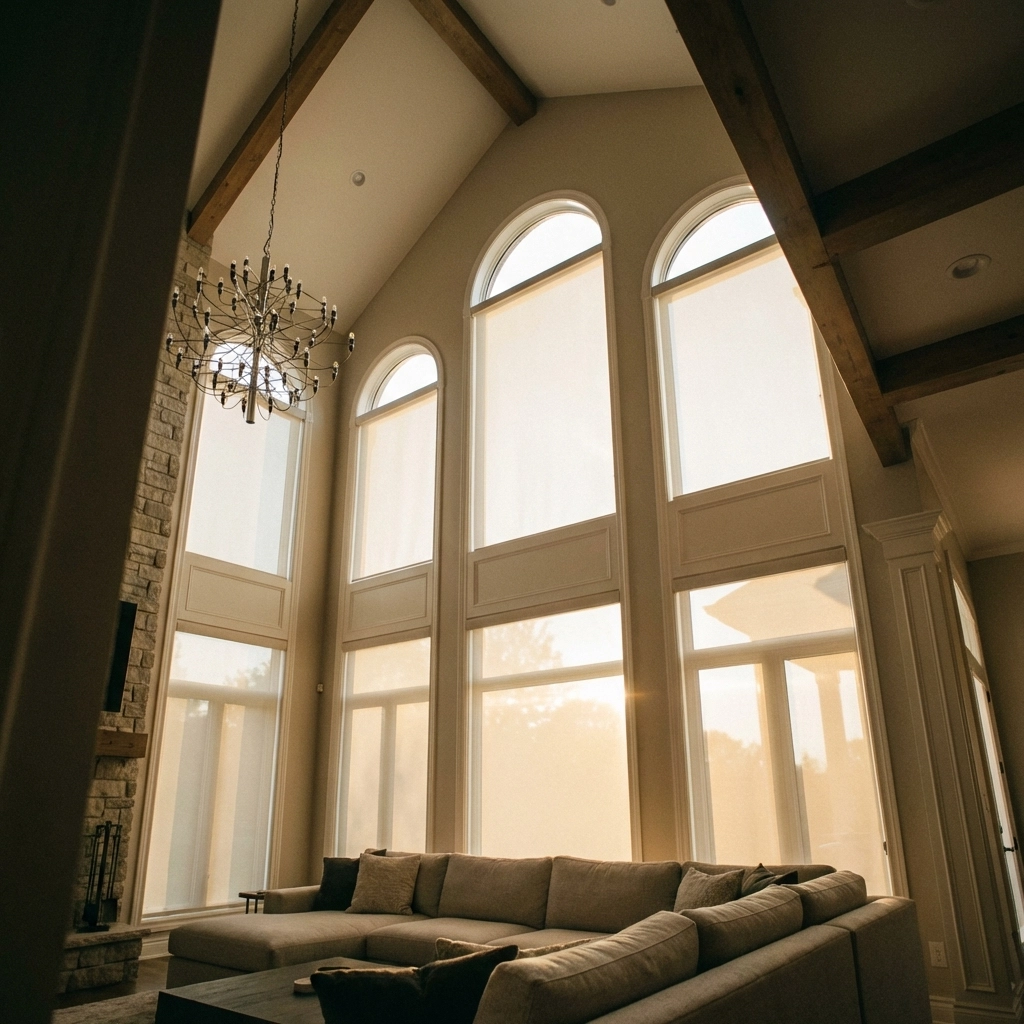
3. Ideal for High and Hard-to-Reach Windows

Got vaulted ceilings? Floor-to-ceiling windows? That gorgeous skylight that’s completely inaccessible?

These architectural features look stunning, but they come with a practical problem: how do you adjust the shades up there? The old-school solution involved step stools, extension poles, or just giving up entirely and leaving them alone.

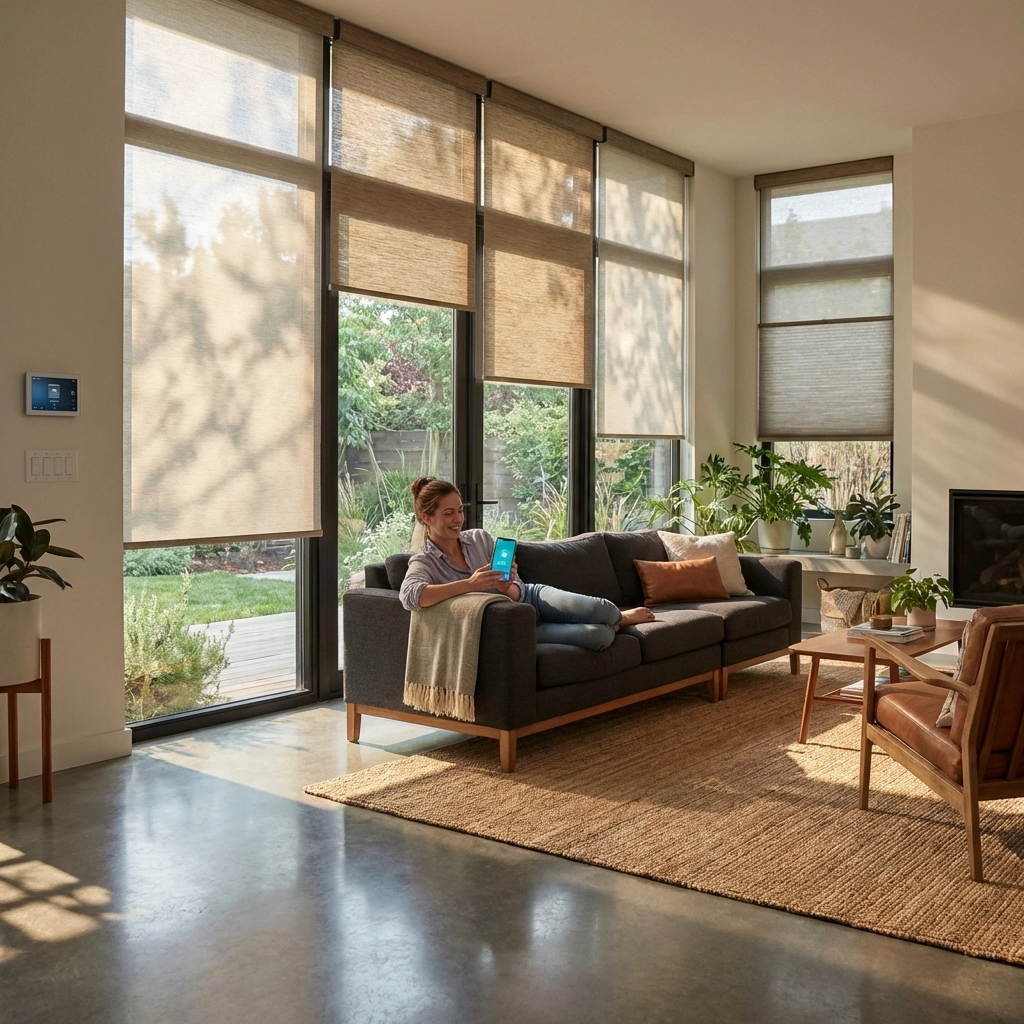
Motorized shades solve this instantly. Whether your windows are 20 feet up or blocked by furniture, you can operate them from anywhere in the room. No climbing required. No awkward reaching. Just seamless control from your couch.

image_2

4. Real Energy Savings That Add Up

Here’s where motorized shades start paying for themselves.

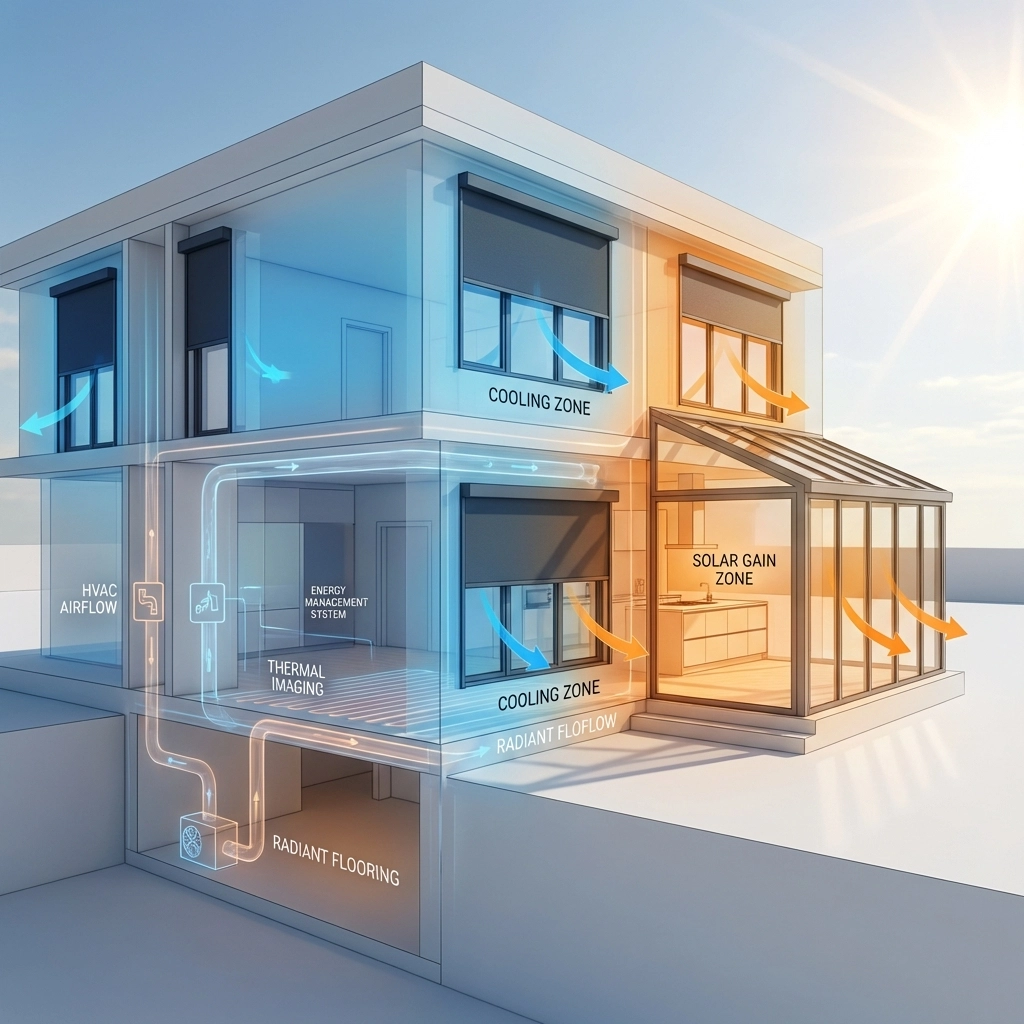
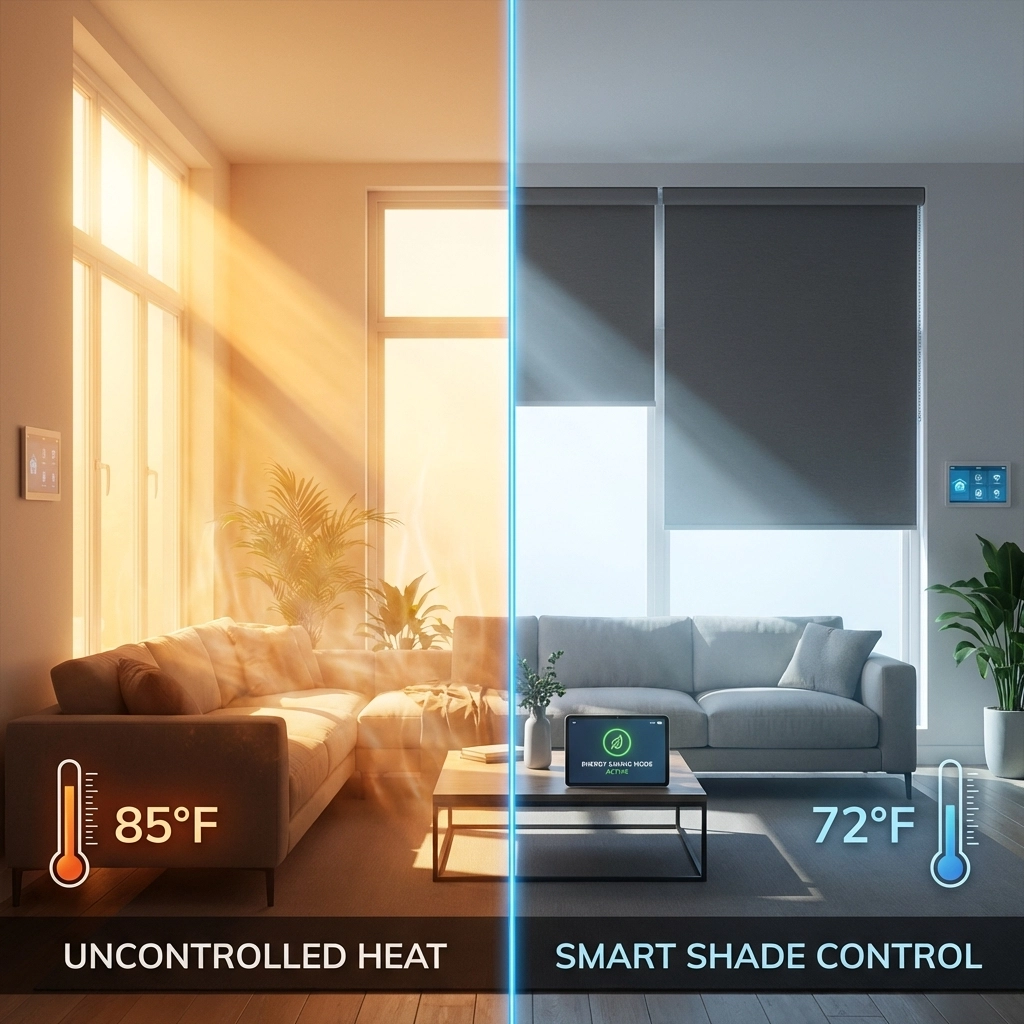
Smart window treatments do more than just look good, they actively contribute to your home’s energy efficiency. During hot summer months, automated shades can block solar heat gain, keeping your interior cooler without overworking your AC. In winter, they provide an extra layer of insulation to retain warmth.

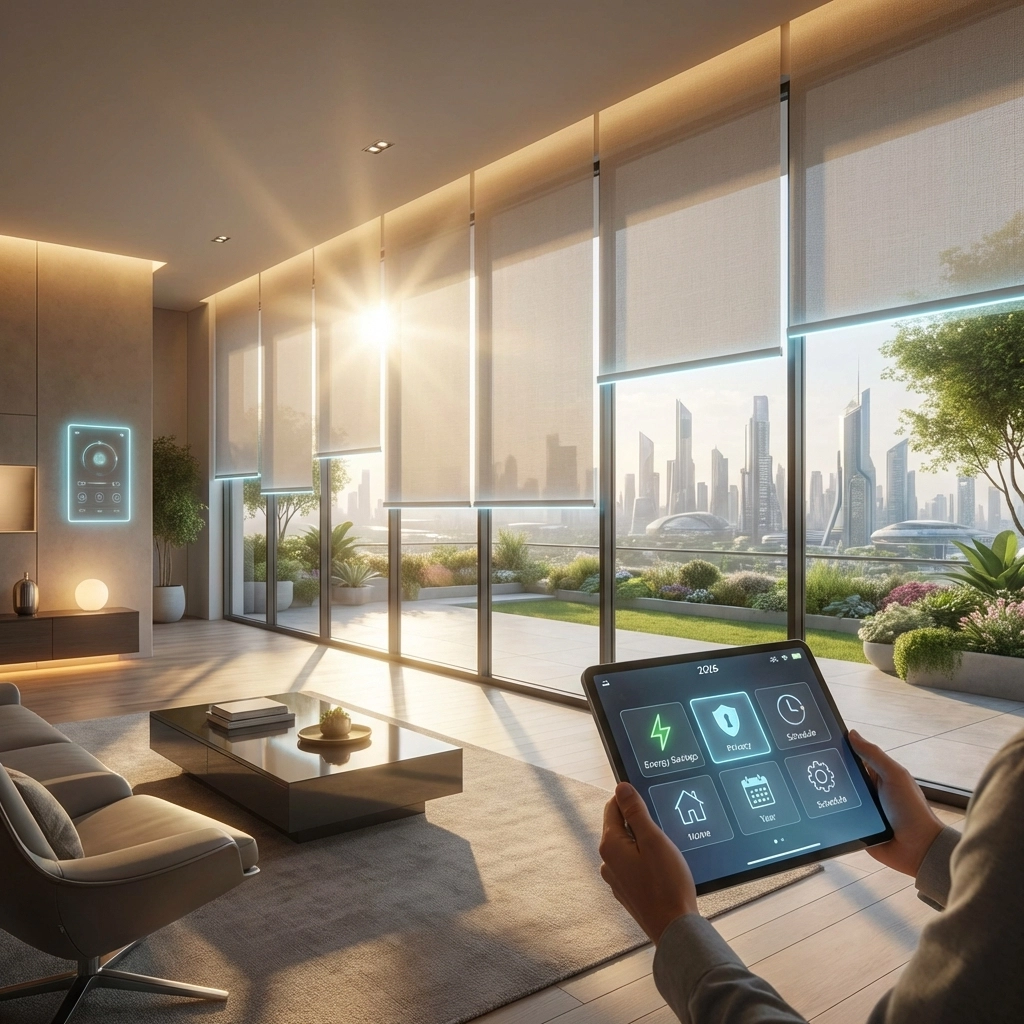
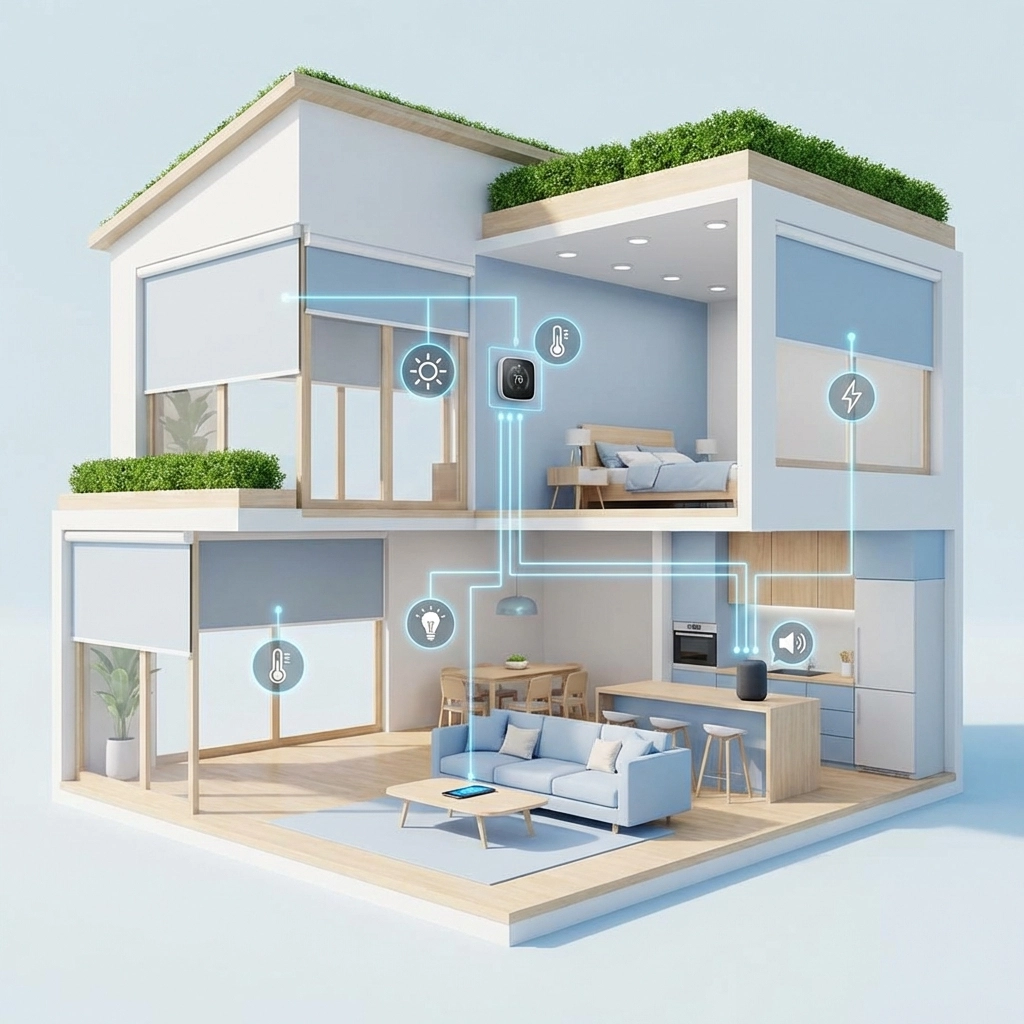
But it gets even smarter in 2026. Many motorized systems now integrate with sensors and thermostats. When your smart home detects rising indoor temperatures, your shades can automatically lower to reduce the strain on your HVAC system. It’s like having an intelligent assistant managing your climate control all day long.

Over time, these energy savings add up significantly on your utility bills. Many homeowners find that the long-term savings help offset the initial investment.

5. Seamless Smart Home Integration

Speaking of smart homes, if you’ve already invested in a connected ecosystem, motorized shades fit right in.

Modern motorized blinds use wireless technology like Bluetooth, Wi-Fi, or Zigbee to communicate with your existing smart home setup. That means you can:

  • Control shades through your favorite voice assistant (Alexa, Google Home, Siri, take your pick)
  • Create automated schedules so your shades adjust throughout the day without any input
  • Manage everything remotely from your phone, whether you’re in the backyard or across the country
  • Build custom scenes that coordinate your shades with lighting, music, and temperature

Imagine waking up to your shades gently opening with the sunrise, or having everything close automatically at sunset. That’s not futuristic fantasy anymore, it’s standard functionality in 2026.

image_3

6. Wellness and Comfort You Can Feel

Natural light affects us more than we realize. It influences our mood, our energy levels, our sleep quality, and even our productivity.

Smart motorized shades give you precise control over how light enters your space throughout the day. This matters because:

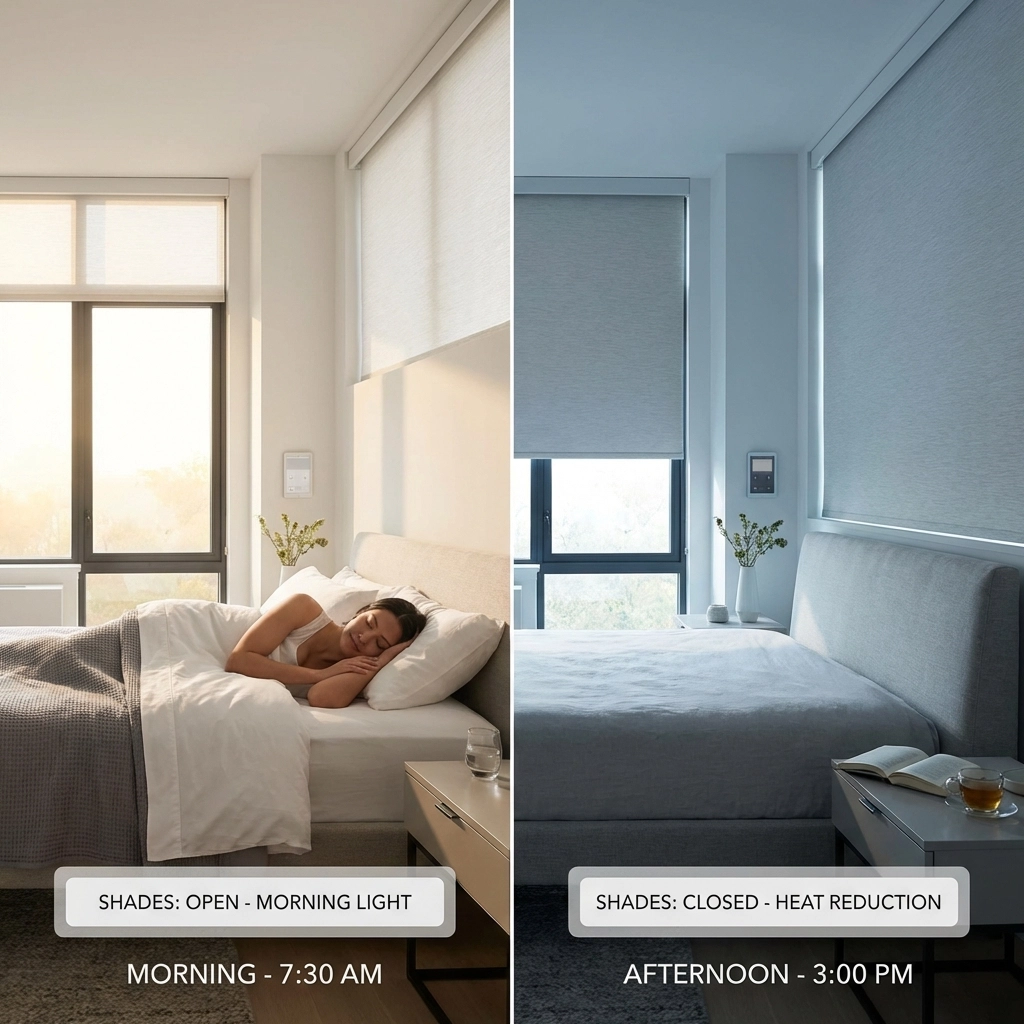
  • Morning light exposure helps regulate your circadian rhythm, making it easier to wake up naturally
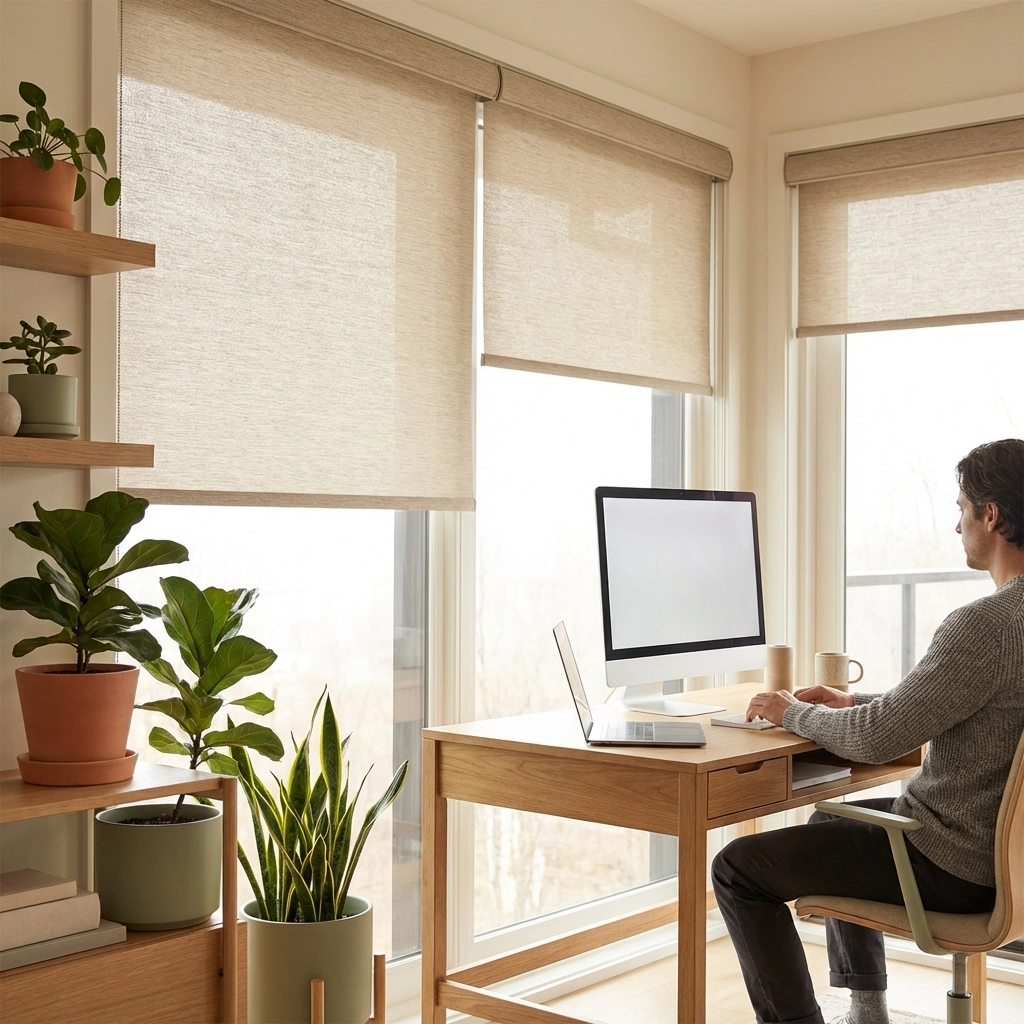
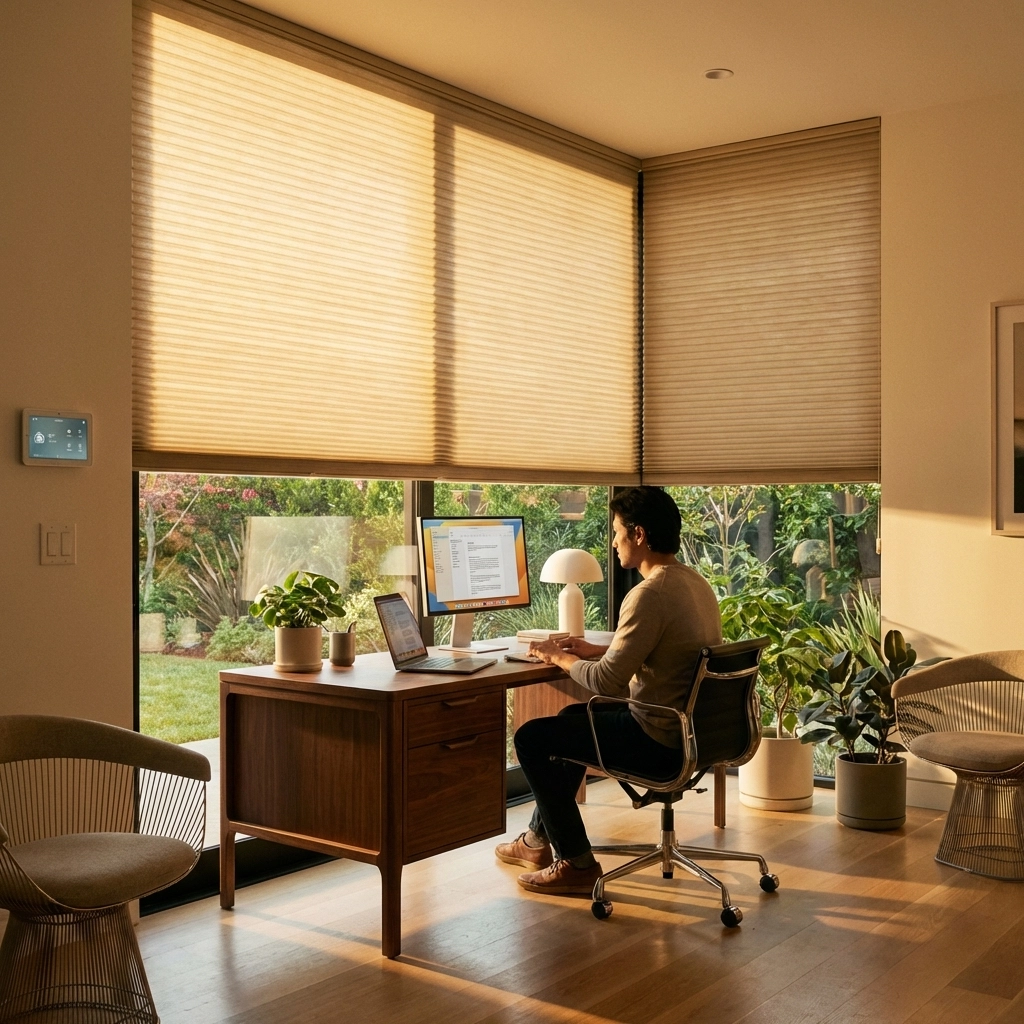
  • Reduced glare during work hours improves focus and prevents eye strain in home offices
  • Gradual dimming in the evening signals your body to prepare for sleep

Instead of dealing with harsh, uncontrolled sunlight or constantly getting up to adjust your blinds, motorized shades let you create the perfect light environment for every moment. Your home becomes a space that actively supports your wellbeing.

For anyone working from home, which is still a huge portion of the workforce in 2026, this benefit alone can transform your daily productivity and comfort.

7. Enhanced Security and Privacy

Here’s a benefit that often surprises people: motorized shades can actually make your home more secure.

When you’re away, whether for a workday or a two-week vacation, automated scheduling keeps your home looking occupied. Your shades can open and close at natural times, just as if someone were home. This simple deterrent can make a real difference in discouraging unwanted attention.

Privacy is the other side of this coin. With programmed schedules, your shades automatically close after sunset, ensuring your home life stays private without you having to think about it. No more realizing at 9 PM that your living room has been on display to the whole neighborhood.

image_4

What About the Cost?

Let’s address the elephant in the room: yes, motorized shades cost more upfront than traditional manual blinds.

But here’s how we encourage our clients to think about it:

Consider the long-term value. Between energy savings, increased home value, and the sheer amount of daily convenience, motorized shades often pay for themselves over time.

Factor in your specific situation. If you have lots of windows, hard-to-reach installations, accessibility needs, or an existing smart home setup, the value proposition becomes even stronger.

Think about how you’ll actually use them. Window treatments that you adjust optimally throughout the day provide far more benefit than ones that sit in the same position because they’re a hassle to change.

At Solaris Shading Systems, we work with clients across a range of budgets and needs. There are options for every situation, and we’re always happy to walk you through what makes sense for your specific home.

The Bottom Line

Motorized shades in 2026 aren’t just a luxury upgrade: they’re a practical investment in convenience, energy efficiency, accessibility, and overall quality of life.

If you’ve been wondering whether they’re worth it, the answer for most homeowners is a clear yes. The technology has matured, prices have become more accessible, and the benefits extend far beyond just “looking cool.”

Ready to explore what motorized shades could do for your home? Check out our portfolio to see real installations, or reach out to our team for a personalized consultation. We’d love to help you find the perfect solution.

Motorized Shades Vs Manual Blinds: Which Is Better For Your Energy Bills?

Motorized Shades Vs Manual Blinds: Which Is Better For Your Energy Bills?

heroImage

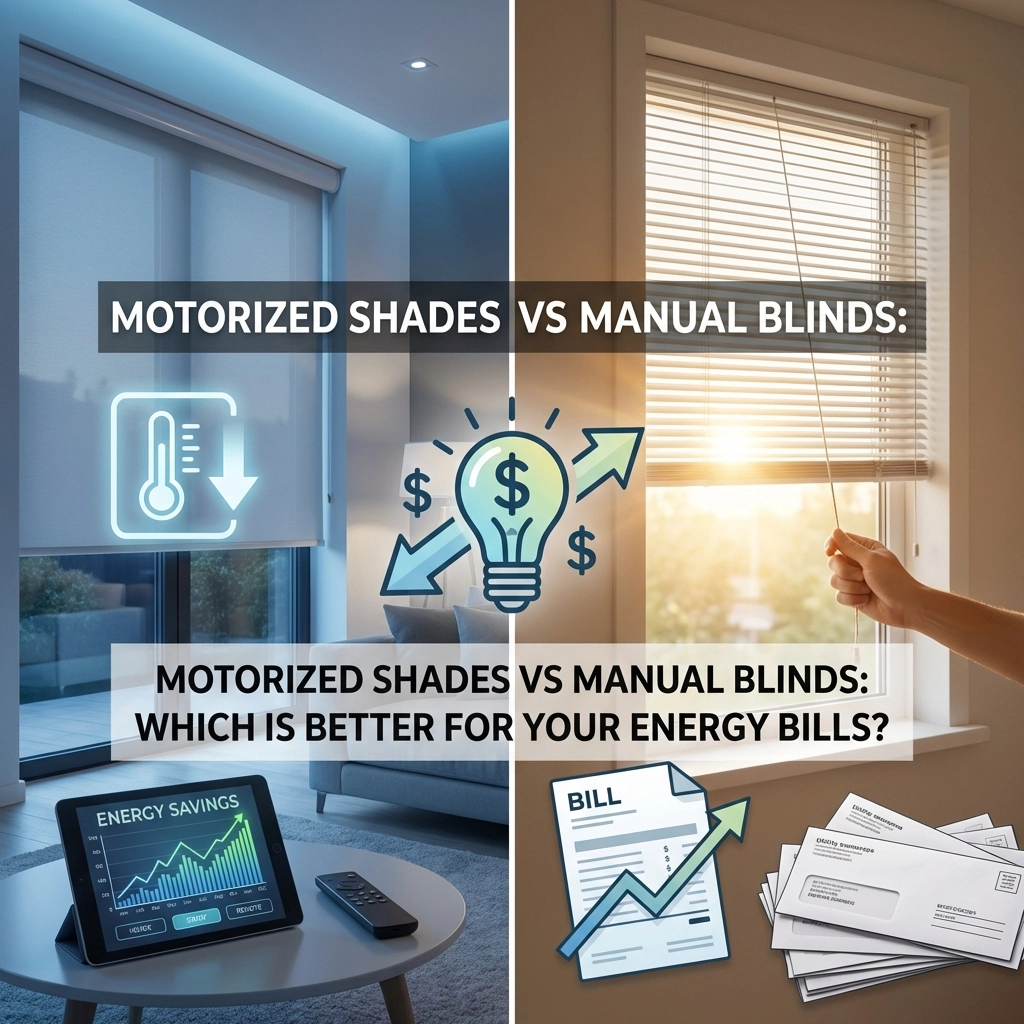
When it comes to managing your home’s energy costs, window treatments play a surprisingly significant role in your monthly utility bills. The choice between motorized shades and manual blinds isn’t just about convenience: it’s about creating a more energy-efficient home that saves you money year-round.

The short answer? Motorized shades consistently outperform manual blinds when it comes to reducing energy consumption and lowering your bills. But let’s dive into the specifics of why this matters for your home and your wallet.

The Energy Savings Battle: Numbers Don’t Lie

Recent studies have shown that automated window treatments can deliver impressive energy reductions. Research conducted at Chicago’s Willis Tower demonstrated that automated insulating window shades can cut energy consumption by approximately 25 percent. Even more compelling, these systems typically recoup their installation costs within three to five years through energy savings alone.

For residential applications, properly installed smart blinds and motorized shades can reduce HVAC costs by 10-25 percent through automated solar heat management. Smart roller shades specifically offer HVAC reduction in the 10-20 percent range, making them a smart investment for homeowners looking to cut long-term energy costs.

Manual blinds, while capable of contributing to energy efficiency in theory, fall short in practice. Their effectiveness entirely depends on your memory and consistency in adjusting them throughout the day: something most homeowners struggle to maintain.

image_1

How Motorized Shades Maximize Energy Efficiency

Motorized shading systems excel at energy management through several key mechanisms that manual options simply can’t match:

Automated Scheduling

Motorized shades can be programmed to respond to daily patterns automatically. During summer months, they lower during peak heat hours to block intense sunlight that would otherwise force your air conditioning to work overtime. In winter, they raise strategically to capture valuable solar heat, reducing the burden on your heating system.

Real-Time Environmental Response

Advanced motorized systems integrate with sensors that monitor sunlight levels, temperature, and even wind conditions. This means your shades adjust in real-time to changing conditions throughout the day, optimizing energy use without any input from you.

Consistent Performance

Perhaps most importantly, motorized shades perform their energy-saving functions consistently, day after day. There’s no forgetting to close them during a heat wave or leaving them closed when you could benefit from natural warmth.

Why Manual Blinds Fall Short

Manual blinds and shades can theoretically provide similar energy benefits, but human behavior is their biggest limitation. Consider these common scenarios:

The Forgotten Adjustment: You rush out the door for work on a hot summer morning, forgetting to close your blinds. Your home bakes in the afternoon sun, and your air conditioner runs constantly to compensate.

Inconsistent Usage: You might remember to adjust your blinds some days but not others, creating unpredictable energy usage patterns that prevent you from maximizing savings.

Suboptimal Positioning: Even when you do adjust manual blinds, you’re unlikely to position them at the precise angles that would provide optimal energy efficiency throughout the day.

image_2

The Smart Home Integration Advantage

Modern motorized shades integrate seamlessly with smart home systems, creating opportunities for energy savings that extend beyond the shades themselves. When connected to your home automation system, motorized shades can:

  • Coordinate with your thermostat to pre-cool or pre-heat your home more efficiently
  • Respond to weather forecasts, preparing for temperature changes before they happen
  • Work with occupancy sensors to adjust based on whether rooms are in use
  • Connect with energy management systems to operate during off-peak electricity hours

This level of integration is impossible with manual systems, representing a significant advantage for tech-savvy homeowners focused on energy efficiency.

Breaking Down the Cost Analysis

While motorized shades require a higher upfront investment, the long-term financial picture tells a compelling story:

Initial Investment

Motorized shades typically cost 2-3 times more than comparable manual options when including installation and control systems. However, this initial cost difference becomes less significant when viewed through the lens of long-term energy savings.

Energy Bill Reduction

With potential HVAC savings of 10-25 percent, homeowners can expect to see noticeable reductions in their monthly utility bills almost immediately. For a home with $200 monthly energy costs, even a conservative 15 percent reduction saves $360 annually.

Return on Investment

Based on average energy costs and typical installation expenses, most homeowners see full payback on their motorized shade investment within 3-7 years, with continued savings for the life of the system.

image_3

Real-World Performance Examples

Commercial buildings provide excellent case studies for motorized shade performance. Beyond the Willis Tower study, numerous office buildings have documented similar results:

  • A Seattle office building reported 23 percent HVAC energy reduction after installing automated window treatments
  • A Phoenix commercial complex saw peak cooling load reductions of up to 30 percent during summer months
  • Multiple university buildings have documented both energy savings and improved occupant comfort with motorized systems

These results translate effectively to residential applications, where the principles of solar heat gain management apply equally.

Making the Right Choice for Your Home

The decision between motorized shades and manual blinds ultimately depends on your priorities, budget, and lifestyle:

Choose Motorized Shades If:

  • Energy efficiency is a top priority
  • You want set-and-forget convenience
  • You’re interested in smart home integration
  • You’re planning to stay in your home long-term to realize the investment benefits
  • You frequently forget to adjust manual window treatments

Consider Manual Blinds If:

  • Upfront cost is your primary concern
  • You consistently adjust window treatments throughout the day
  • You’re in a rental situation or temporary housing
  • Smart home features aren’t important to you

The Environmental Impact

Beyond personal savings, choosing energy-efficient window treatments contributes to broader environmental benefits. Reduced energy consumption means lower carbon emissions and decreased strain on electrical grids, especially during peak demand periods.

Motorized shades help homes achieve better Energy Star ratings and can contribute points toward green building certifications. This environmental consideration adds value beyond immediate cost savings, particularly for environmentally conscious homeowners.

image_4

Installation and Maintenance Considerations

Motorized systems require professional installation to ensure proper integration with your home’s electrical systems and optimal performance. While this adds to initial costs, professional installation typically includes:

  • Proper sizing and positioning for maximum energy efficiency
  • Integration with existing home automation systems
  • Warranty coverage and ongoing support
  • Training on system operation and scheduling

Manual blinds, while simpler to install, still benefit from professional measurement and installation to achieve maximum energy efficiency potential.

The Bottom Line

When evaluating motorized shades versus manual blinds purely from an energy bill perspective, motorized systems consistently deliver superior results. Their ability to optimize energy usage automatically, integrate with smart home systems, and maintain consistent performance makes them the clear winner for homeowners focused on long-term energy savings.

While the higher upfront cost may seem daunting, the combination of immediate energy bill reductions, long-term savings, and increased home value makes motorized shades a sound financial investment. For homeowners serious about reducing their energy consumption and creating a more comfortable, efficient home environment, motorized shades represent the smart choice for both your comfort and your wallet.

The question isn’t whether motorized shades can save you money on energy bills: the data clearly shows they can. The question is whether you’re ready to make the investment that will pay dividends for years to come.

Motorized Shades vs Traditional Blinds: Which Is Better For Your Home in 2026?

Motorized Shades vs Traditional Blinds: Which Is Better For Your Home in 2026?

heroImage

The window treatment landscape has dramatically evolved over the past few years. What was once a simple choice between different types of manual blinds has now expanded into a sophisticated decision between traditional options and smart, motorized solutions. As we move through 2026, homeowners are increasingly asking: should I stick with tried-and-true traditional blinds, or is it time to embrace the convenience of motorized shades?

The answer isn’t straightforward: it depends on your lifestyle, budget, and priorities. Let’s break down everything you need to know to make the right choice for your home.

The Convenience Factor: Time is Money

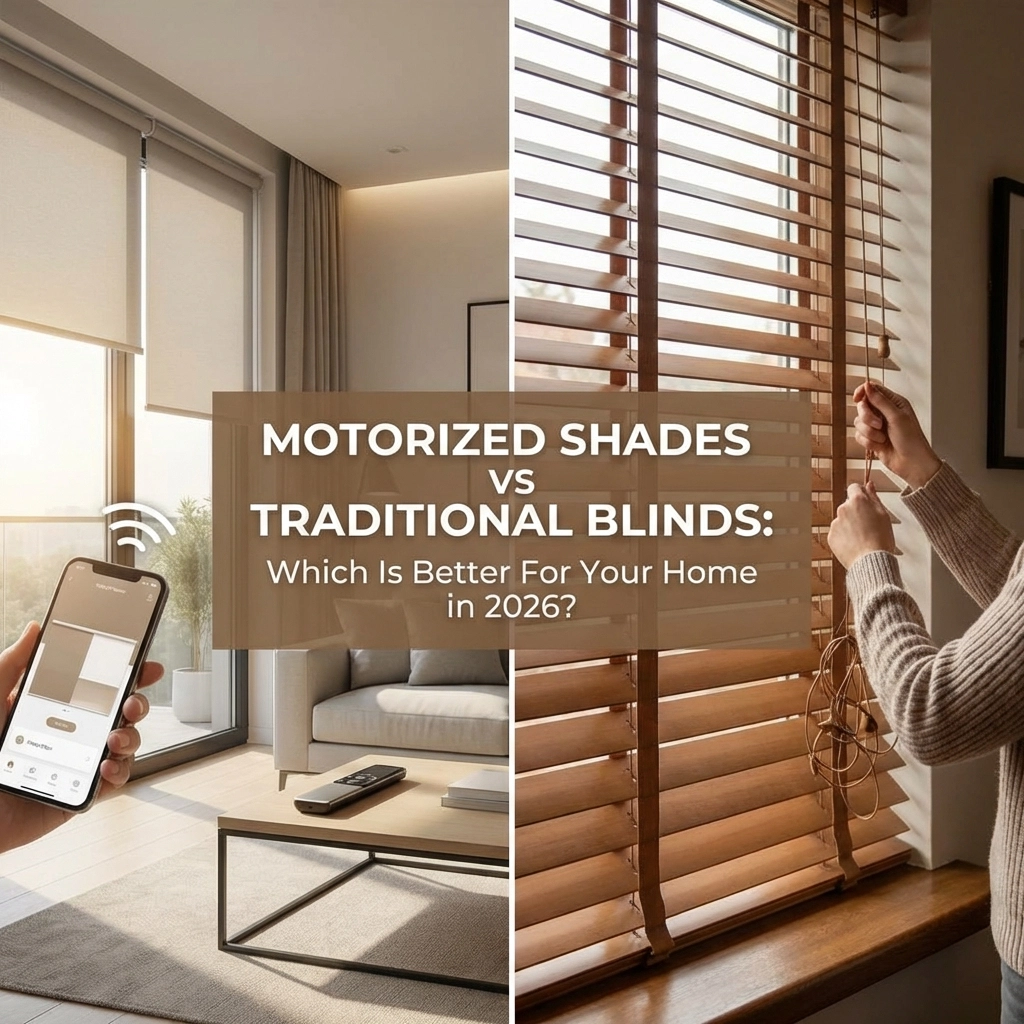
When it comes to day-to-day living, motorized shades offer an undeniable advantage in convenience. Imagine adjusting every window in your home with a single tap on your smartphone, or having your shades automatically close when the afternoon sun starts beating down on your living room.

Motorized window treatments can be controlled through smartphone apps, voice commands via Alexa or Google Home, or traditional wall switches. This becomes particularly valuable if you have large windows, high ceilings, or hard-to-reach installations. No more struggling with long cords or climbing on furniture to adjust blinds.

image_1

Traditional blinds, on the other hand, require manual operation for each window. While this might not seem like a big deal for one or two windows, it becomes cumbersome when you’re managing multiple rooms or dealing with mobility issues. The physical effort required to pull cords or twist rods can also wear on the hardware over time.

For busy families or anyone who values smart home integration, the convenience factor alone often justifies the investment in motorized solutions.

The Bottom Line: Cost Comparison

Let’s address the elephant in the room: cost. Traditional blinds typically range from $35 to $95 per window, while motorized shades can cost anywhere from $150 to $350 per window. For a typical home with 14 windows, you’re looking at roughly $500 for manual blinds compared to nearly $5,000 for motorized systems.

This significant upfront cost difference makes traditional blinds the clear winner for budget-conscious homeowners. However, it’s important to consider the long-term value proposition. Motorized shades often come with enhanced energy efficiency features that can reduce your utility bills over time.

The key is determining your budget and how much value you place on convenience and smart home features. If cost is your primary concern and you don’t mind manual operation, traditional blinds remain an excellent choice.

Energy Efficiency: Smart Savings

One of the most compelling arguments for motorized shades lies in their energy efficiency potential. These systems can be programmed to automatically close during peak sunlight hours, reducing the load on your air conditioning system. Some advanced models even include smart sensors that respond to temperature changes and sunlight intensity.

image_2

This automation ensures optimal energy savings without requiring you to remember to adjust your window treatments throughout the day. The consistent, automated operation can lead to meaningful reductions in cooling costs, particularly during hot summer months.

Traditional blinds can also contribute to energy efficiency, but only when operated consistently. The reality is that most homeowners forget to adjust their blinds regularly, missing opportunities for energy savings. However, when properly used, quality traditional blinds still provide excellent insulation and heat reduction.

It’s worth noting that motorized systems do consume a small amount of electricity: typically 3-6 watts when running. Over five years, this adds up to roughly 50 kWh per window. While minimal, this energy usage should be factored into your decision.

Maintenance and Longevity

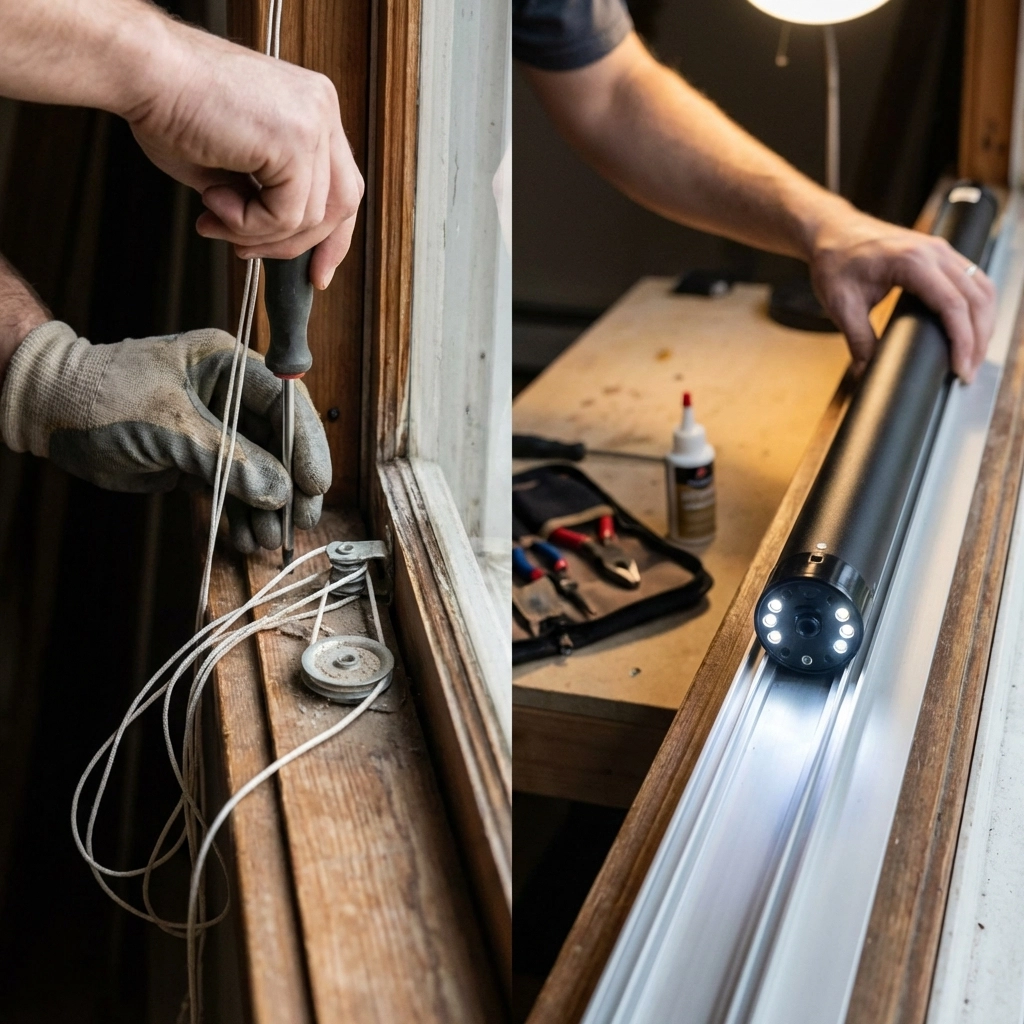
Traditional blinds have a clear advantage when it comes to maintenance and durability. With fewer moving parts and no electronic components, they’re inherently more robust. Basic maintenance typically involves monthly dusting and annual bracket tightening: simple tasks that most homeowners can handle themselves.

Motorized systems, while generally reliable, do have more components that can potentially fail. Motors, sensors, and remote controls all require occasional maintenance. Battery-powered units need battery replacement or recharging every year or two. Track cleaning and motor maintenance should be performed regularly to ensure smooth operation.

image_3

However, the quality of motorized systems has improved significantly in recent years. Professional installation and regular maintenance can ensure these systems provide many years of reliable service. The key is working with experienced providers who understand the technology and can provide ongoing support.

Safety Considerations

Safety is where motorized shades truly shine, especially for households with young children or pets. Traditional corded blinds pose a well-documented strangulation hazard. Even with modern safety features like cord stops and breakaway tassels, parents often worry about potential risks.

Motorized shades eliminate cords entirely, creating a safer environment for curious children and pets. This cordless design also creates a cleaner, more streamlined appearance that many homeowners prefer.

While cordless traditional blinds are available, they often come with trade-offs in terms of operation smoothness or cost. Motorized systems provide the ultimate in cordless safety without compromising functionality.

2026 Trends and Future-Proofing

As we progress through 2026, smart home integration has become more than just a luxury: it’s becoming a standard expectation for many homeowners. Motorized shades seamlessly integrate with existing smart home ecosystems, adding value to your property and enhancing your lifestyle.

The technology continues to evolve rapidly. Today’s motorized systems offer features like scheduling, geofencing (automatic adjustment based on your location), and integration with weather forecasting services. These capabilities are only expanding as smart home technology advances.

image_4

For homeowners planning to stay in their current home for many years, investing in motorized shades can be seen as future-proofing their window treatments. The technology will likely become more sophisticated over time, and many systems allow for software updates to add new features.

Traditional blinds, while timeless in their simplicity, don’t offer the same potential for technological enhancement. However, their classic approach means they’ll never become obsolete due to changing technology standards.

Making the Right Choice for Your Home

The decision between motorized shades and traditional blinds ultimately comes down to your specific needs, budget, and preferences. Here’s how to think through your decision:

Choose motorized shades if you:

  • Value convenience and smart home integration
  • Have hard-to-reach windows or mobility concerns
  • Want to maximize energy efficiency with minimal effort
  • Prioritize child and pet safety
  • Are building or renovating and can incorporate the electrical requirements
  • See long-term value in smart home technology

Choose traditional blinds if you:

  • Are working with a limited budget
  • Prefer simple, low-maintenance solutions
  • Don’t mind manual operation
  • Want time-tested reliability
  • Are renting or may move frequently

The Professional Installation Difference

Regardless of which option you choose, professional installation makes a significant difference in performance and longevity. Experienced installers understand proper mounting techniques, electrical requirements for motorized systems, and how to ensure optimal operation.

At Solaris Shading Systems, we work with homeowners to evaluate their specific needs and recommend the best solution for their lifestyle and budget. Our team has experience with both traditional and motorized systems, ensuring you get expert guidance regardless of your choice.

The window treatment industry continues to evolve, offering homeowners more options than ever before. Whether you choose the tried-and-true reliability of traditional blinds or embrace the convenience of motorized shades, the key is selecting quality products and professional installation to ensure years of satisfaction.

Take time to evaluate your priorities, consider your long-term plans, and don’t hesitate to consult with window treatment professionals who can help you make the best decision for your specific situation. Your windows are an important investment in your home’s comfort, energy efficiency, and overall aesthetic( choose wisely.)