
Window Film Vs Blinds and Shutters: Which Is Better For Your Heat Reduction Needs?
Window Film Vs Blinds and Shutters: Which Is Better For Your Heat Reduction Needs?
![[HERO] Window Film Vs Blinds and Shutters: Which Is Better For Your Heat Reduction Needs?](https://cdn.marblism.com/XDXBpnTkp0q.webp)
If you’ve ever sat next to a window on a hot summer afternoon, you know exactly how brutal solar heat can be. Your AC works overtime, your energy bills climb, and that sunny corner of your living room becomes a no-go zone until sunset.
The good news? You have options. Window film, blinds, and shutters can all help reduce heat coming through your windows. But which one actually delivers the best results for your specific situation?
Let’s break it down so you can make a smart decision for your home and your wallet.
Understanding How Heat Enters Your Home
Before we compare solutions, it helps to understand the problem. Solar heat enters your home primarily through your windows in two ways:
- Direct solar heat gain – sunlight passes through the glass and heats up everything inside
- Radiant heat transfer – the glass itself absorbs heat and radiates it into your space
Different window treatments tackle these issues in different ways. Some block heat before it enters, some reflect it back out, and others provide insulation to slow down the transfer. The best choice depends on your climate, your windows, and what you’re trying to achieve.
Window Film: The Low-Profile Heat Blocker
Window film is a thin, adhesive layer applied directly to your glass. It’s popular because it’s relatively affordable and doesn’t change the look of your windows from the inside.
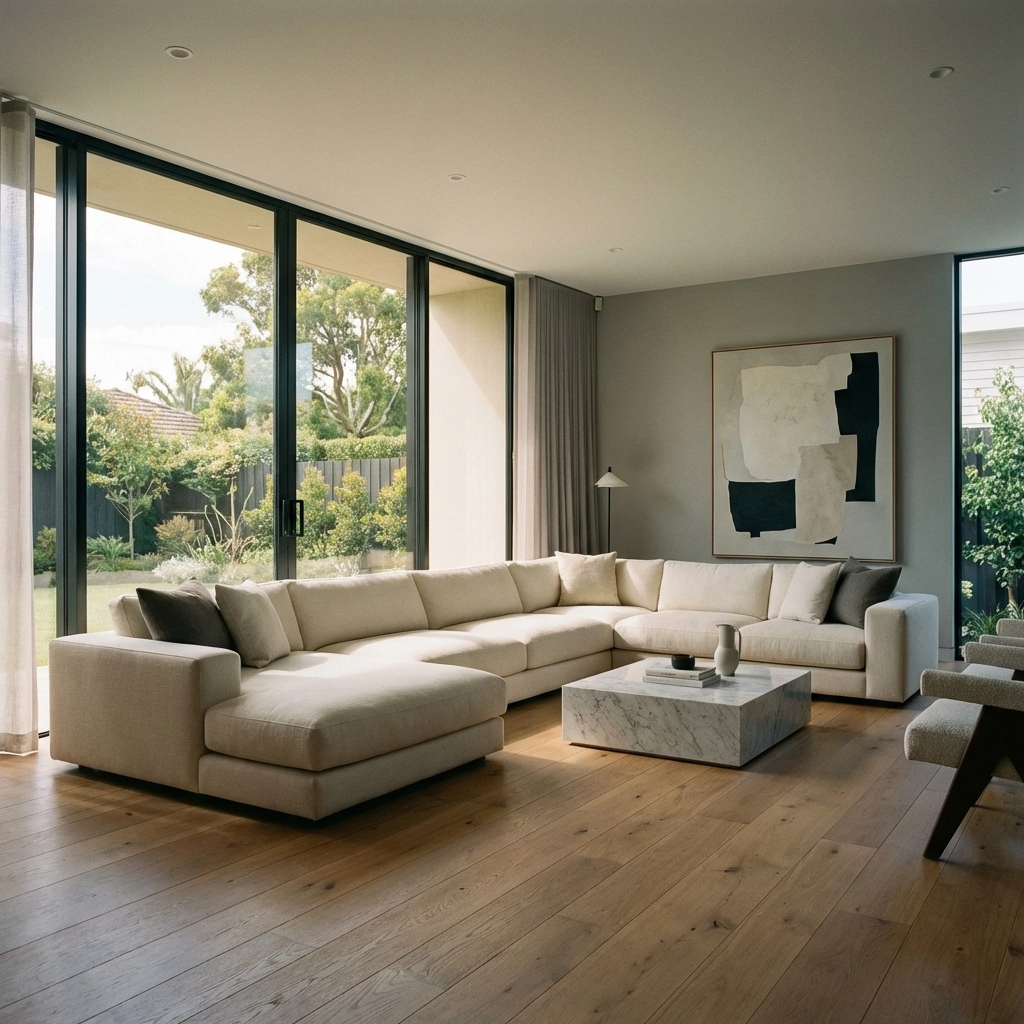
How Window Film Reduces Heat
Standard window films can reduce solar heat gain by around 50%, while higher-end insulating films push that number up to 70%. They work by reflecting and absorbing UV rays and infrared heat before it passes through the glass.
The Pros
- Maintains your view – you keep full visibility through your windows
- UV protection – blocks harmful rays that fade furniture and flooring
- Works 24/7 – no adjustment needed once installed
- Budget-friendly – generally less expensive upfront than blinds or shutters
The Cons
- No seasonal adjustment – once it’s on, it’s on. You can’t open it up to let warming sunlight in during winter
- Reduced light transmission – some films darken your windows, which means less natural light year-round
- Not ideal for all glass types – certain films can cause thermal stress on double-pane or tinted windows
Window film is a solid middle-ground solution if you want consistent heat reduction without changing your window’s appearance. But if you live somewhere with cold winters, you might miss that passive solar heating when you need it most.
Interior Blinds and Solar Shades: Flexibility Meets Function
Blinds and solar shades sit inside your window frame and give you direct control over light and heat. Unlike film, you can adjust them throughout the day and across seasons.
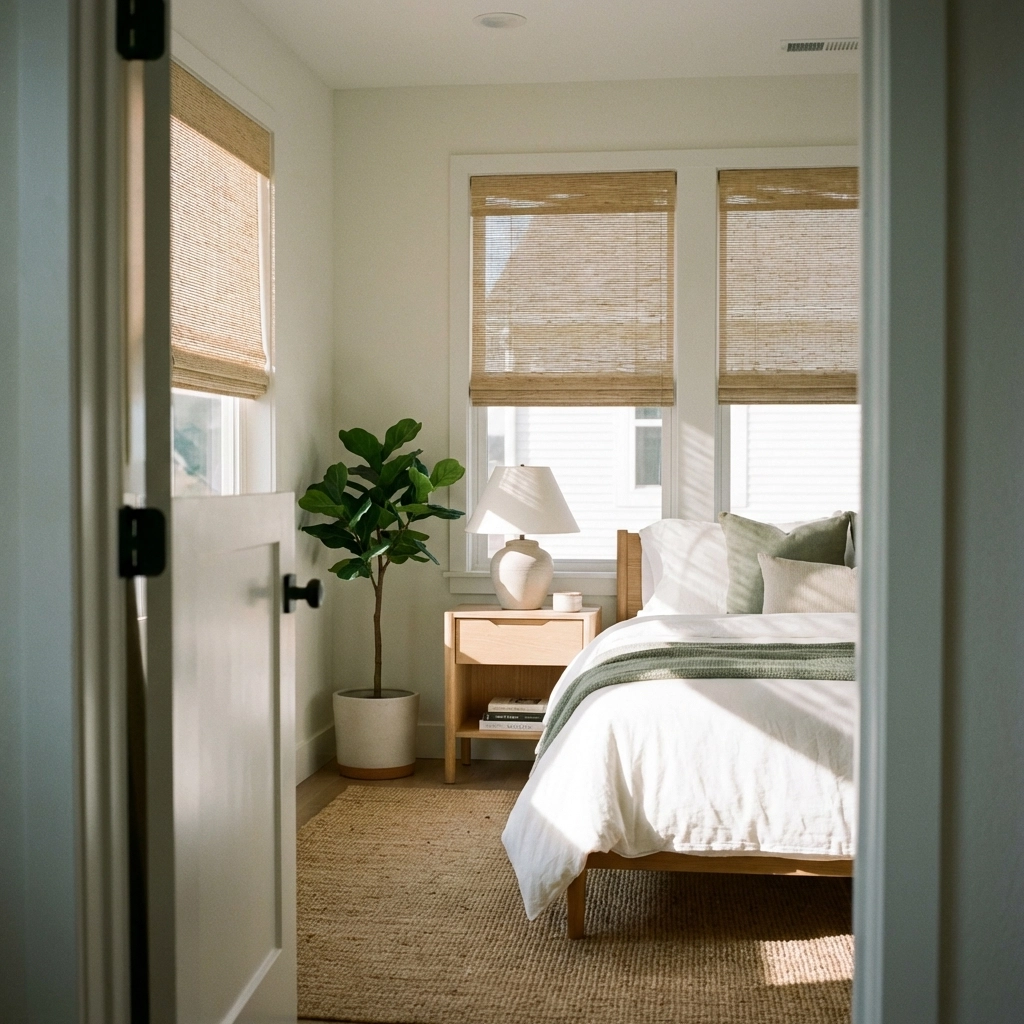
How Blinds and Shades Reduce Heat
Quality solar shades can cut solar heat gain by up to 60%, with some high-performance options reaching as high as 77%. They also block up to 99% of UV rays, protecting your interiors from fading.
The key advantage here is adjustability. On a cold January morning, you can raise the blinds and let the sun naturally warm your space. On a scorching July afternoon, you close them and keep the heat out.
The Pros
- Adjustable – control light and heat on demand
- UV protection – prevents fading on furniture, floors, and artwork
- Style variety – available in countless colors, materials, and designs to match your decor
- Privacy control – block views from outside when needed
The Cons
- Interior placement limits effectiveness – heat has already passed through the glass before hitting the blinds
- Requires manual adjustment – unless you upgrade to motorized options
- Durability varies – cheaper blinds may not hold up well in direct sunlight over time
If you want flexibility and style options, interior blinds and solar shades are hard to beat. They’re especially useful in homes where different rooms have different light and heat needs throughout the day.
Plantation Shutters: Year-Round Thermal Performance
Plantation shutters are the heavyweight option in this comparison. They’re built for durability, aesthetics, and serious thermal control.
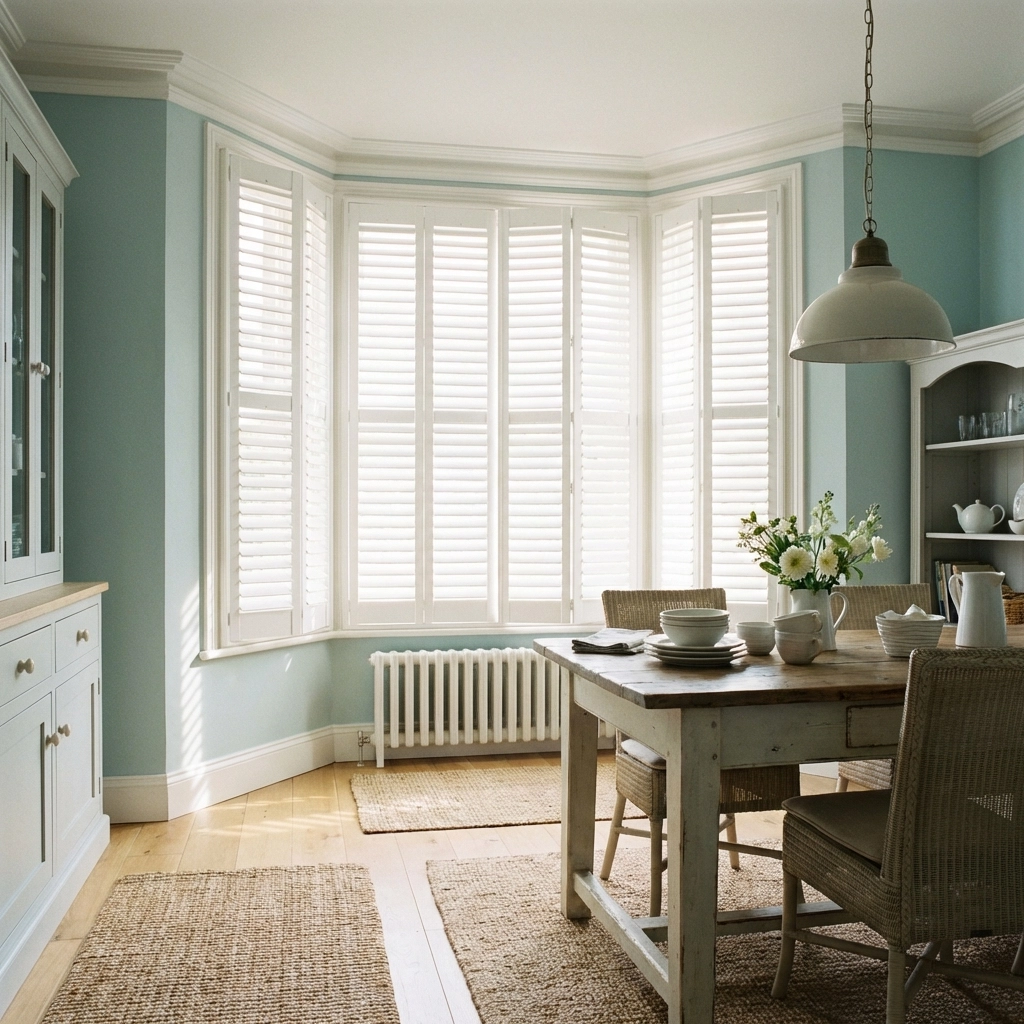
How Shutters Reduce Heat
Here’s where shutters stand apart: they excel at reducing heat loss, not just heat gain. With R-values reaching up to 4.0, plantation shutters can reduce heat loss by as much as 50%. That translates to 25–30% annual energy savings for many homeowners.
In summer, closed shutters block direct sunlight and create an insulating air pocket between the shutter and the glass. In winter, they help keep warm air inside.
The Pros
- Year-round efficiency – works for both heating and cooling seasons
- Exceptional durability – quality shutters last for decades
- Adjustable louvers – control light and airflow with precision
- Adds home value – shutters are considered a permanent home upgrade
- Coastal-friendly – PVC and composite options resist salt air and humidity
The Cons
- Higher upfront cost – shutters are an investment compared to blinds or film
- Installation complexity – professional installation recommended for best results
- Fixed mounting – can’t be easily removed or relocated
For homeowners looking at long-term value and year-round performance, shutters are tough to beat. They’re especially smart for coastal environments where humidity and salt air can damage lesser materials.
External Blinds: The Ultimate Heat Blocker
We’d be remiss not to mention external blinds. While they’re less common in residential settings, they’re the most effective option for stopping heat before it ever reaches your glass.
External blinds can reduce solar heat transmittance by up to 90%: nearly double what window film achieves. If overheating is your primary concern and you’re open to exterior modifications, this is worth exploring.
Which Option Is Right for You?
Let’s make this simple with a quick comparison:
| Factor | Window Film | Blinds/Shades | Shutters |
|---|---|---|---|
| Summer heat reduction | Good (50-70%) | Good (60-77%) | Good |
| Winter heat retention | Poor | Moderate | Excellent (up to 50%) |
| Adjustability | None | High | High |
| UV protection | Excellent | Excellent | Good |
| Durability | Moderate | Varies | Excellent |
| Coastal suitability | Moderate | Moderate | Excellent |
| Upfront cost | Low | Medium | Higher |
Choose Window Film If:
- You want a budget-friendly, set-it-and-forget-it solution
- Maintaining your view is a top priority
- You live in a hot climate with mild winters
Choose Blinds or Solar Shades If:
- You want flexibility to adjust light and heat throughout the day
- Style and design options matter to you
- Different rooms have different needs
Choose Plantation Shutters If:
- You want year-round thermal performance
- Long-term durability and home value matter
- You live in a coastal area or harsh climate
Combining Solutions for Maximum Efficiency
Here’s something worth considering: you don’t have to choose just one. Many homeowners get the best results by layering solutions. For example, pairing window film with interior blinds gives you baseline UV protection plus adjustable light control.
At Solaris Shading Systems, we help homeowners figure out the right combination for their specific needs. Every home is different, and sometimes the best answer involves more than one approach.
Ready to Beat the Heat?
Whether you’re dealing with a sweltering sunroom or trying to reduce your energy bills year-round, the right window treatment makes a real difference. Window film, blinds, and shutters each have their strengths: it’s all about matching the solution to your situation.
Want help figuring out what works best for your home? Get in touch with our team for a personalized consultation. We’ll walk through your options and help you find the perfect fit for your heat reduction needs.